
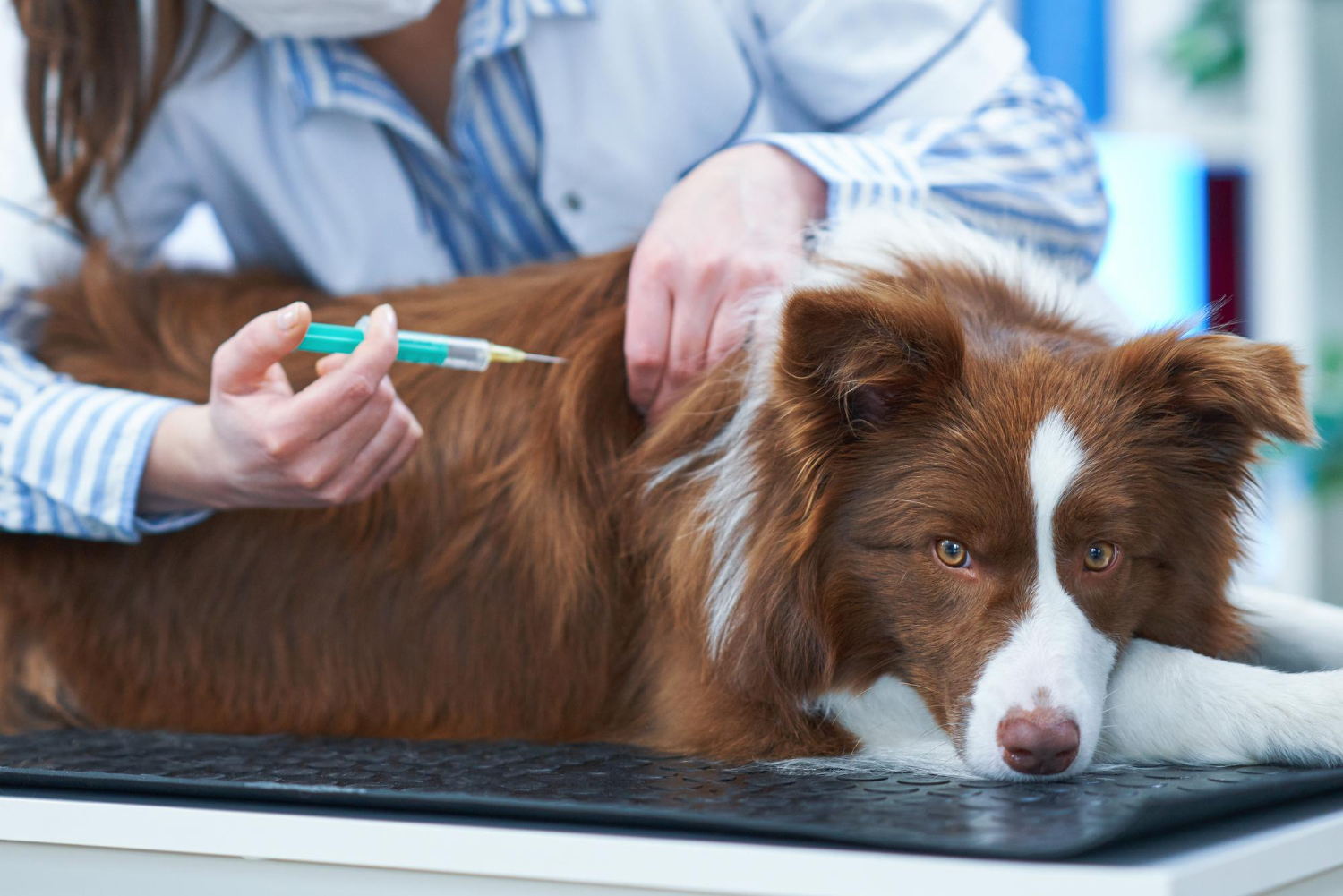
Vaccine cards create a specific kind of confusion. Last year the card said DA2PP. This year it says DHPP. The dog saw the same clinic both times, so the question lands quickly: is the dog still covered? Yes. The DHPP vaccine is the core combination vaccine that protects dogs against distemper, hepatitis, parvovirus and parainfluenza, and the letters on the label change by manufacturer, not by protection. This guide decodes the acronym, walks the AAHA 2022 dosing schedule for puppies and adults, covers cost ranges and side effects, and explains why the records behind this one vaccine get so tangled.
What Does the DHPP Vaccine Protect Against?
The DHPP vaccine protects dogs against four diseases: distemper, hepatitis, parvovirus and parainfluenza. The American Animal Hospital Association (AAHA) classified this combination as a core vaccine in its 2022 canine vaccination guidelines, which means every dog receives it regardless of lifestyle, age or geography. One injection covers all four diseases.
Each letter in the acronym names one component of the shot:
- D, distemper. A viral disease that attacks the respiratory, gastrointestinal and nervous systems. Distemper has no cure, is often fatal, and survivors are frequently left with permanent tremors or seizures.
- H, hepatitis. Inflammation of the liver caused by canine adenovirus, a virus that also damages the kidneys and the lining of blood vessels. Vaccines contain adenovirus type 2, which cross-protects against adenovirus type 1, the type that causes the disease.
- P, parvovirus. A severe, highly contagious gastrointestinal disease that spreads through feces and survives for months in the environment. Parvovirus kills unprotected puppies through vomiting and bloody diarrhea, and treatment is supportive care only because no antiviral cure exists.
- P, parainfluenza. A respiratory virus and one of the main contributors to kennel cough, the contagious cough complex that spreads wherever dogs gather.
Three of the four diseases have no direct cure. Veterinary care supports the dog while the illness runs its course, which is why prevention carries the medical weight here. That severity, not lifestyle risk, is what earns the core classification. One shot, four diseases, and the reason every clinic in the US treats the DHPP series as baseline care for every dog.
Is DHPP the Same as DAP and DA2PP?
Yes. DAP, DA2PP and DHPP are the same core combination vaccine under different manufacturer labels. The letters describe the vial contents, and each pharmaceutical company prints its own abbreviation on the product insert, the invoice and the vaccine card.
DAP lists distemper, adenovirus and parvovirus. DA2PP specifies adenovirus type 2 directly. DHPP names the disease hepatitis instead of the virus adenovirus and adds parainfluenza as the fourth letter. DHLPP adds leptospirosis to the same injection, and the AAHA 2022 guidelines recommend leptospirosis as its own core vaccine on an annual cycle.
The table below lists the four labels owners see most often, what each letter in the label stands for, and how the label differs from standard DHPP.
| Label | Letters expanded | Difference |
|---|---|---|
| DAP | Distemper, adenovirus, parvovirus | Three components; omits parainfluenza |
| DA2PP | Distemper, adenovirus type 2, parvovirus, parainfluenza | Names the adenovirus type; same protection as DHPP |
| DHPP | Distemper, hepatitis from adenovirus, parvovirus, parainfluenza | The standard four-component label |
| DHLPP | Distemper, hepatitis, leptospirosis, parvovirus, parainfluenza | Adds leptospirosis; lepto follows an annual cycle |
A dog's card can show a different label at every clinic while the protection stays identical, because clinics stock whichever combination product their distributor carries. This label drift is the single biggest reason owners doubt whether their dog is current. Product-level records, the brand name printed on the vial rather than the acronym on the invoice, settle the question permanently.
What Is the Puppy DHPP Schedule?
Puppies receive at least 3 doses of DHPP between 6 and 16 weeks of age, spaced 2 to 4 weeks apart, with the final dose at 16 weeks or later. Those numbers come directly from the AAHA 2022 canine vaccination guidelines.
The first dose is given at 6 to 8 weeks of age. Antibodies a puppy absorbs from its mother's milk circulate during the first weeks of life and can neutralize a dose given too early, so the series repeats until the final dose lands at 16 weeks or later, past the point where maternal interference fades. In areas with high parvovirus or distemper activity, veterinarians extend the series to 18 or 20 weeks. Puppies that start the series late, after 16 weeks of age, receive 2 doses spaced 2 to 4 weeks apart.
Most clinics in the US land near this pattern:
- First dose at 8 weeks, frequently given by the breeder or shelter before the puppy comes home.
- Second dose at 12 weeks.
- Third dose at 16 weeks, which completes the series for most puppies.
The 8, 12 and 16 week pattern is typical, not a rule. Clinics shift individual appointment dates inside the 2 to 4 week spacing window based on the start date and the puppy's health at each visit.
How Often Do Adult Dogs Need a DHPP Booster?
Adult dogs receive one DHPP booster within 1 year of the final puppy dose, then one booster every 3 years for life. The AAHA 2022 guidelines state that annual boosters are not necessary for this combination once the dog has completed the initial series and the 1-year booster.
That interval surprises owners who grew up with yearly shot reminders. Modern practice moved the combination vaccine to a 3-year cycle while leptospirosis stayed on a 12-month cycle, so a middle-aged dog's vaccine calendar genuinely mixes intervals.
Three revaccination cycles run in parallel for most adult dogs:
- DHPP booster: every 3 years after the 1-year booster.
- Leptospirosis booster: every 12 months.
- Rabies booster: every 1 or 3 years, set by state law.
Annual wellness exams continue on a 12-month cycle regardless of when each vaccine falls due.
How Much Does the DHPP Vaccine Cost?
A single DHPP dose commonly costs $20 to $50 at US clinics, and the full puppy series of 3 to 4 visits commonly totals $75 to $200 at low-cost vaccine clinics. Full-service hospitals charge more than low-cost clinics for the same vial, with the difference covering the exam and hospital overhead.
Three routes bring the total down:
- Low-cost vaccine clinics run by national chains and community organizations.
- Shelter vaccine days, which offer core vaccines at reduced prices on scheduled dates.
- Puppy packages that bundle the full series with exams into one fixed price.
Exact pricing varies by region and hospital type, so call local clinics and ask for the current price of a DHPP or DA2PP dose before booking the visit.
What Side Effects Can the DHPP Vaccine Cause?
Most dogs show no reaction to the DHPP vaccine, or mild symptoms that clear within 24 to 48 hours. The common mild reactions include soreness at the injection site, slight lethargy, a mild fever and reduced appetite for a day or two.
Rare serious reactions do occur: facial swelling, hives, vomiting and difficulty breathing. Contact a veterinarian immediately for any of these signs, because they can progress without treatment.
Small-breed puppies occasionally show a brief fainting-type reaction within minutes of a dose. Tell the veterinarian when that has happened before, so the dosing plan can be adjusted, for example by splitting combination products across separate visits.
The benefit side of the ledger is heavier. Distemper and parvovirus are often fatal and have no cure, while vaccine reactions are mostly mild and short-lived. The AAHA core classification reflects that math.
Why Do DHPP Records Get So Confusing?
DHPP records get confusing for 3 reasons: the same vaccine appears under different names at different clinics, the booster runs on a 3-year cycle while lepto runs annual, and the puppy series dates often live on a breeder's paper card.
One clinic writes DAP. The next clinic writes DA2PP. The boarding facility asks for proof of DHPP. The owner is left matching acronyms against each other with no way to confirm the dog received the same protection every time.
güdpet untangles exactly this. The app stores the actual product name with every dose date, so the record shows what was injected rather than what the front desk abbreviated. Smart reminders match each vaccine's real cycle: 3 years for the DHPP combination, 12 months for leptospirosis, and the legally required interval for rabies. The puppy history and the adult boosters sit in one timeline, and the full record can be shared with a new vet or a boarding facility in a few taps. Plan details and current pricing are on güdpet pricing.
For a deeper walkthrough of the record-keeping side, read how to keep pet vaccination records online, and see güdpet features for reminders and sharing.
Frequently Asked Questions
What does DHPP stand for in dog vaccines?
DHPP stands for distemper, hepatitis from adenovirus, parvovirus and parainfluenza. It is one core combination injection covering all four diseases, classified as core for every dog by the AAHA 2022 guidelines.
Is DA2PP the same as DHPP?
Yes. DA2PP and DHPP describe the same core combination vaccine with manufacturer-specific letters. DA2PP names adenovirus type 2; DHPP names the hepatitis the adenovirus causes. Protection is equivalent.
How many DHPP shots does a puppy need?
At least 3 doses between 6 and 16 weeks of age, spaced 2 to 4 weeks apart, with the last dose at 16 weeks or later. The first dose often comes from the breeder or shelter on a paper card, which is one more reason to learn how to organize pet health records in one place.
Do dogs need DHPP every year?
No. After one booster in the year following the puppy series, the combination vaccine moves to a 3-year cycle per AAHA guidance. Leptospirosis and rabies keep shorter cycles, which is why an adult dog's calendar mixes intervals.
What is the difference between DHPP and DHLPP?
The L. DHLPP adds leptospirosis to the same injection as the DHPP components, and lepto requires annual boosters, so the two labels follow different revaccination cycles even when they arrive in one shot.
Keep every DHPP dose on one timeline. The card that said DA2PP last year and DHPP this year describes the same core combination vaccine, and güdpet keeps that straight automatically: the product name, the dose date and the next due date for each vaccine in one place. Start with a free account, add each dose as it happens, and add a digital pet ID so the DHPP vaccine record travels with the dog wherever the dog goes.