
The call arrives at the worst possible moment. It is the night before Thanksgiving, the boarding stay is confirmed, and the facility asks for proof of a current Bordetella vaccine. The last dose expired 3 weeks ago. A new dose given that night does not protect a dog the next morning, because protection takes days to build. This guide explains what the Bordetella vaccine does, which dogs need it, the three vaccine types, the booster schedule, side effects, typical cost and the records that keep every boarding check-in calm.
What Is the Bordetella Vaccine?
The Bordetella vaccine is a noncore vaccine that protects dogs against Bordetella bronchiseptica, one of the most common causes of kennel cough. Kennel cough is the everyday name for a contagious upper respiratory infection that spreads quickly between dogs in close quarters. Boarding facilities, groomers and daycare staff often call the same shot the kennel cough vaccine, so the two names refer to one product.
The American Animal Hospital Association (AAHA) 2022 canine vaccination guidelines classify Bordetella as noncore. Noncore means a vet recommends the dose based on the dog's lifestyle and exposure level, not for every dog the way core vaccines are recommended.
The vaccine has honest limits. It targets one major cause of canine respiratory disease, so it cannot prevent every cough a dog catches in a kennel. A vaccinated dog that meets the bacteria typically shows milder symptoms and fewer complications than an unvaccinated dog.
Kennel cough shows 4 common signs that owners recognize at home: a dry honking cough, nasal or eye discharge, lethargy and sometimes a mild fever. Because the infection travels through the air and on shared surfaces, vets advise keeping a coughing dog away from other dogs until a vet examines it.
Which Dogs Need the Bordetella Vaccine?
Dogs that board, attend daycare, visit groomers, join puppy classes or compete at dog shows need the Bordetella vaccine. The shared factor in every case is close quarters. High-exposure settings include boarding kennels, daycare playgroups, grooming salons, puppy socialization classes, training classes, dog shows and dog parks with crowded playgroups.
Most boarding kennels and daycares require proof of a current dose before the first stay. Proof usually arrives as the vaccine sticker from the vet record, a clinic invoice line or a vaccination certificate showing the dose date. The requirement protects the whole building, because one coughing dog in a shared airspace exposes dozens of others the same afternoon.
A dog that never meets other dogs carries low risk, and the AAHA 2022 guidelines treat the vaccine as optional for that lifestyle. The decision to skip or vaccinate belongs in a conversation with the vet rather than a blanket rule. Puppies headed to socialization classes commonly need the vaccine early, because many class providers require proof before the first session.
What Are the Three Types of Bordetella Vaccine?
The three types of Bordetella vaccine are intranasal, oral and injectable, and they differ in dose count, minimum age and speed of protection.
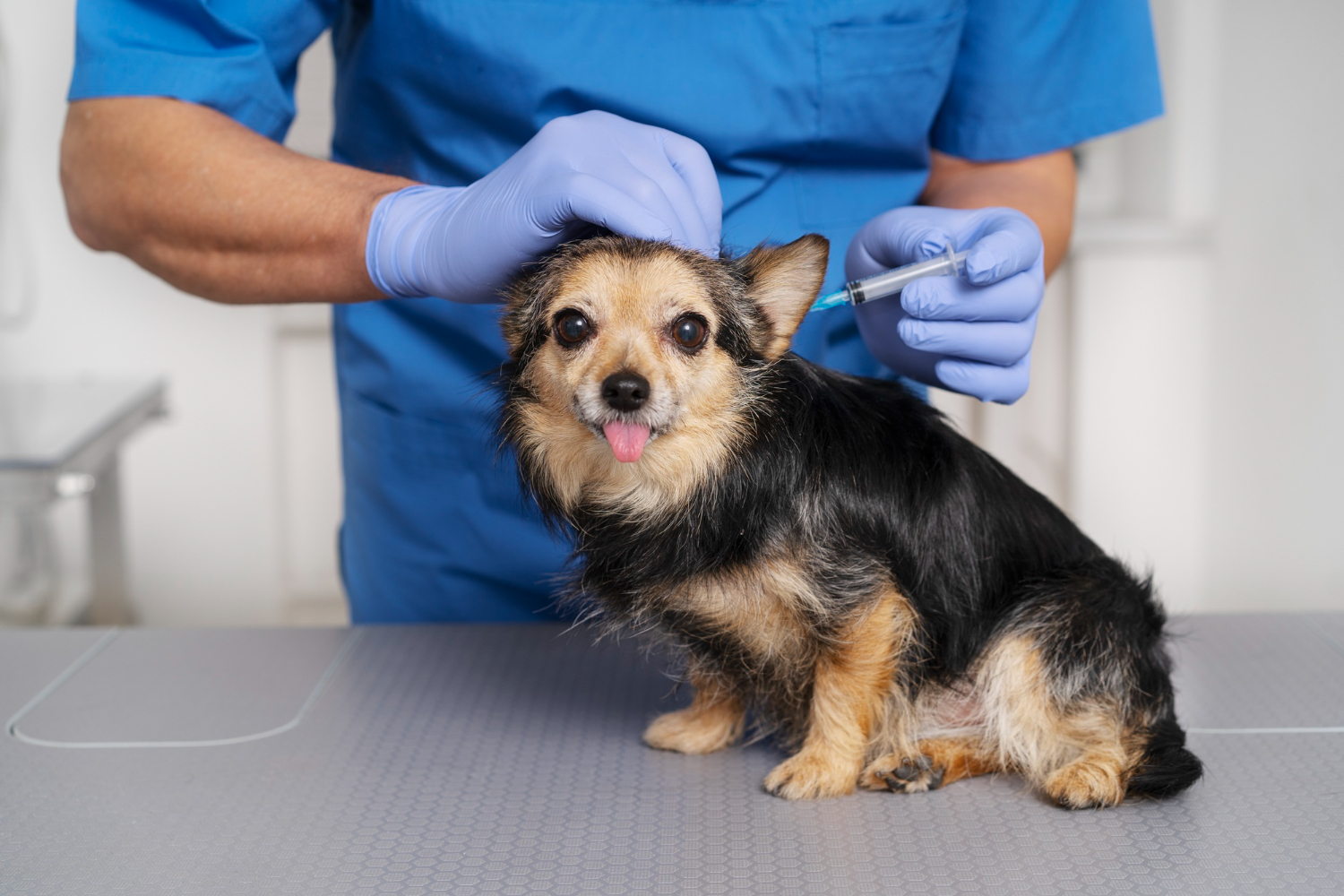
The intranasal vaccine is a nasal spray given as a single dose. The Zoetis Vanguard B Intranasal product label approves one 1 mL dose for healthy dogs 3 weeks of age and older. The oral vaccine is also a single dose, labeled for dogs 8 weeks and older. The injectable vaccine takes 2 doses spaced 2 to 4 weeks apart, also labeled for dogs 8 weeks and older.
Per AKC veterinary expert sources, the intranasal and oral routes stimulate mucosal immunity in the upper respiratory tract, the exact area where kennel cough takes hold, and protection starts in roughly 3 to 5 days. The injectable route builds protection more slowly and for a shorter time, which is why many vets prefer the intranasal or oral options where practical.
The table below defines each Bordetella vaccine route by dose count, minimum labeled age and speed of protection.
| Route | Doses | From what age | Speed of protection |
|---|---|---|---|
| Intranasal (nasal spray) | 1 dose | 3 weeks and older | Roughly 3 to 5 days |
| Oral | 1 dose | 8 weeks and older | Roughly 3 to 5 days |
| Injectable | 2 doses, 2 to 4 weeks apart | 8 weeks and older | Slower onset, shorter duration |
Route choice often comes down to logistics. Some clinics stock one route only, and some dogs refuse a spray in the nose. A dated dose record for any of the three routes satisfies most facility requirements.
When Should a Dog Get the Bordetella Vaccine?
Puppies start the Bordetella vaccine between 6 and 8 weeks of age on the intranasal route, or at 8 weeks on the oral and injectable routes, and social dogs get a dose 10 to 14 days before boarding.
Product labels permit an intranasal dose from 3 weeks of age, and most vets give it at about 6 to 8 weeks alongside the early puppy visits. The oral and injectable routes both start at 8 weeks. A puppy booked into classes at 9 weeks with no dose on file does not meet most facility requirements.
Timing matters most around boarding. The University of Tennessee College of Veterinary Medicine vaccination protocol advises giving the dose ideally 10 to 14 days before a boarding stay, so mucosal protection has time to build. The same window applies before daycare begins, before a dog show and before a grooming appointment at a busy salon. A dose given the morning of drop-off does not cover that stay, because the 3-to-5-day onset has not run its course.
How Often Does a Dog Need a Bordetella Booster?
Most dogs need a Bordetella booster once every 12 months, and high-risk dogs get one every 6 months. The AAHA 2022 canine vaccination guidelines recommend annual boosters for all three routes, which anchors the Bordetella vaccine schedule at one dose per year for the average dog.
AKC veterinary sources add a 6-month cycle for dogs with heavy, constant exposure, such as daycare regulars and show dogs. Many boarding facilities set their own rule between 6 and 12 months, so the effective booster cycle is often set by the facility rather than the vaccine label.
The short cycle separates Bordetella from core vaccines. Core vaccines move to 3-year cycles after the first-year booster. Bordetella immunity wanes faster, so the dose stays on an annual or semiannual clock.
That clock creates the real record-keeping problem. One facility accepts a dose within 12 months, the next requires one within 6, and the groomer asks only for a current dose. A dog that switches boarding facilities inherits a new cycle: the new kennel's 6-month rule can outdate a dose the old kennel accepted.
How Much Does the Bordetella Vaccine Cost?
A Bordetella dose in the United States commonly costs $15 to $40, and the price moves with the clinic, the region and the route.
Low-cost vaccine clinics often sit near the bottom of that range, and puppy packages bundle Bordetella with other early doses at a lower combined price. Full-service veterinary clinics often sit near the top, sometimes with an exam fee on the first visit. Some vaccine clinics administer the dose without a full exam, though policies differ by clinic.
Costs vary enough between zip codes that calling two or three local clinics beats any online average. Ask each clinic to quote each route it stocks, because price and stock differ by location. The question list is short: the price per Bordetella dose, and whether an exam visit is required for a healthy dog with current records.
What Side Effects Should You Watch For?
Most Bordetella vaccine side effects are mild and resolve within a few days. The route decides where the mild signs show up.
Mild signs by route:
- Injectable: soreness or a small firm lump at the injection site, plus mild lethargy for a day or two.
- Intranasal: mild sneezing or a runny nose for a few days while the spray does its work in the nasal passages.
Mild signs rarely need treatment, and a quick photo of any injection-site lump helps the vet track it at the next visit.
Serious reactions are rare and match the serious reaction profile of any vaccine. Facial swelling, repeated vomiting and difficulty breathing mean immediate contact with the vet or the emergency clinic. Mild signs that last beyond a few days also earn a phone call.
For dogs that board, attend daycare or visit groomers, the protection benefit outweighs the mild-reaction risk for most dogs, and the final call belongs to the owner and the vet together.
How Do You Keep Bordetella Records Ready for Boarding?
Boarding-ready Bordetella records store each dose date, route and next due date in one shareable place, so the proof reaches the facility before the dog reaches the kennel.
Facilities ask for proof on short notice, often the week of a stay. Because the Bordetella cycle runs 12 months at some facilities and 6 months at others, the Bordetella date is the most commonly expired item at check-in. The Thanksgiving-eve phone call about a lapsed dose is the predictable result of a record that lives in a paper folder or a lost email.
A free güdpet account stores every dose date, sends smart reminders matched to the vaccine cycle the vet or facility sets, and keeps the record shareable with the boarding facility or groomer through the pet profile and the Digital Pet ID. Compare plans and sign up on güdpet pricing.
Two resources cover the setup in depth: the guide on how to keep pet vaccination records online and the güdpet features page.
Frequently Asked Questions
How often does a dog need a Bordetella vaccine?
Once a year for most dogs. The AAHA 2022 guidelines recommend annual boosters for every route, vets advise every 6 months for high-risk dogs, and many boarding facilities set their own 6 to 12 month rule. Tracking the exact date a facility requires gets simpler with a guide on how to organize pet health records.
Do puppies need the Bordetella vaccine?
The vaccine is a lifestyle vaccine, and most daycares and puppy classes require it before entry. Intranasal doses are labeled from 3 weeks of age, and oral and injectable doses start at 8 weeks.
Can a vaccinated dog still get kennel cough?
Yes. The vaccine targets Bordetella bronchiseptica and reduces symptom severity, but kennel cough has other viral and bacterial causes, so a mild case remains possible after a current dose.
Is the Bordetella vaccine required for boarding?
Most boarding kennels, daycares and groomers require it, and many ask for proof that the last dose sits within their required window. A digital pet ID carries that proof on the pet profile at check-in.
How long before boarding should a dog get Bordetella?
Ideally 10 to 14 days before the stay, per the University of Tennessee College of Veterinary Medicine protocol, so protection has time to build. A same-day dose does not cover that stay.
Keep the next check-in calm. Create a güdpet profile, log the last Bordetella dose date, set the reminder cycle the facility requires, and share the record with the boarding kennel or groomer before the stay. The next pre-holiday call then takes 30 seconds to answer, and the dog walks in with a current Bordetella vaccine on file and a record to prove it.